
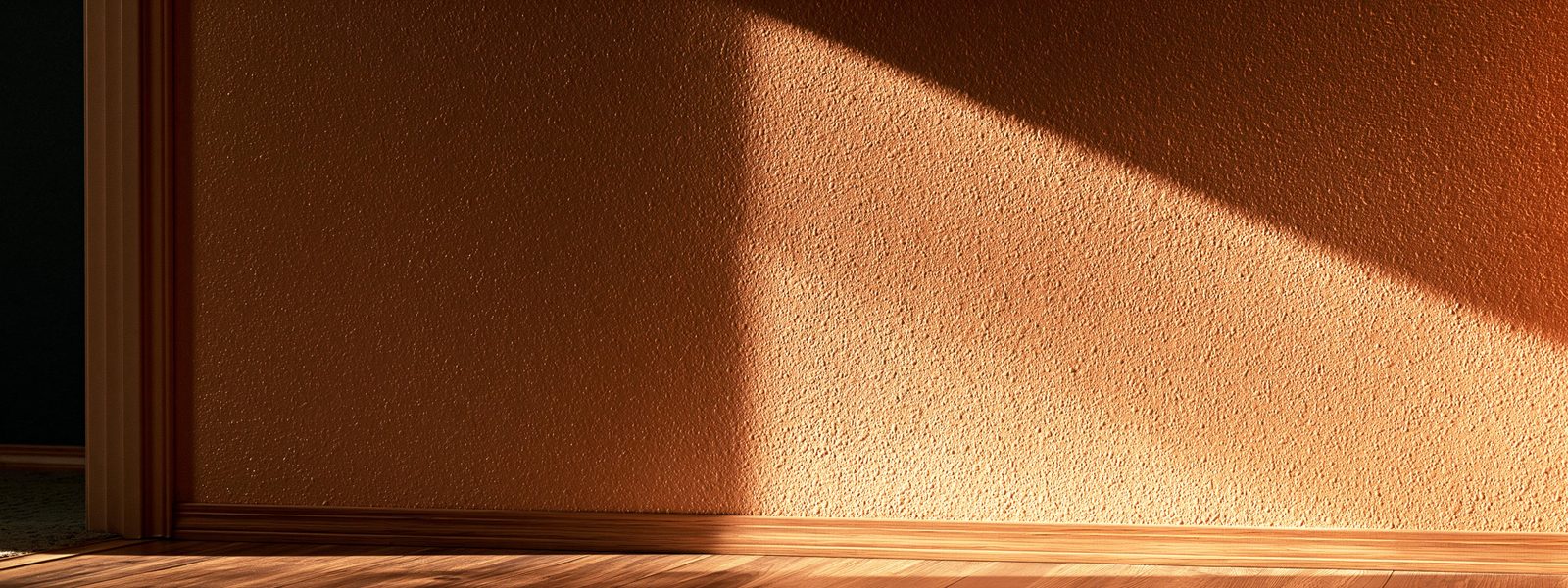
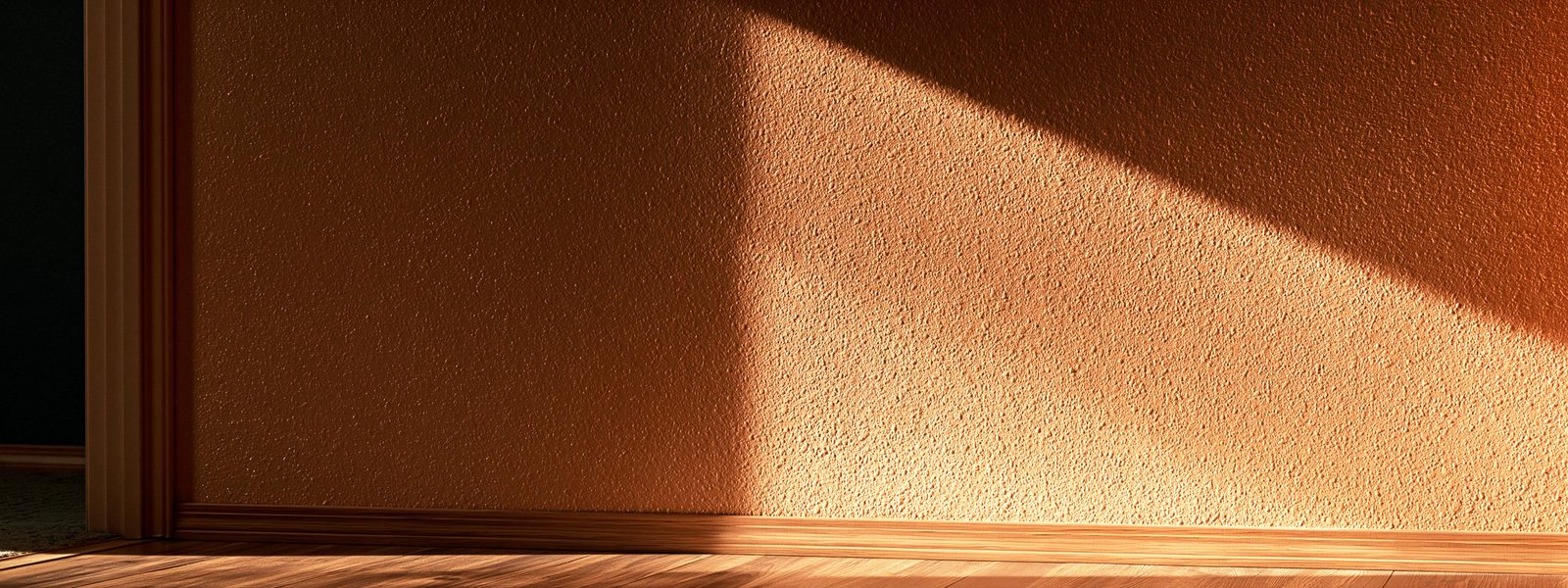
Textured wall surface in a Colorado Springs home with light crossing it

Drywall Texture Matching in Colorado Springs, CO

The finish blended into what is already on your wall, so the repair stops announcing itself every time the light moves.

Wide view of a finished room with an even wall finish throughout

The Patch Is Fine. You Can Still See It.

Somebody filled the hole, sanded it flat and painted over it, and from the doorway your eye goes straight to it anyway. That is the job Colorado Springs Expert Drywall gets called about most often, and it is almost never a repair problem.

A patch shows for two reasons, and neither of them is the filling. The surface around it has a texture and the patch does not, or it does and the pattern is slightly wrong. Then there is the sheen: fresh compound drinks paint differently from a wall that has been painted for fifteen years, so even a perfect match can flash back at you in the afternoon.

So drywall texture matching in Colorado Springs is the whole trade compressed into the last two hours of a job. Everything before it is carpentry. This part is the bit you actually live with.
Why Your Patch Stands Out When the Light Moves

Here is the thing worth understanding, and once you see it you will notice it in every room you walk into.

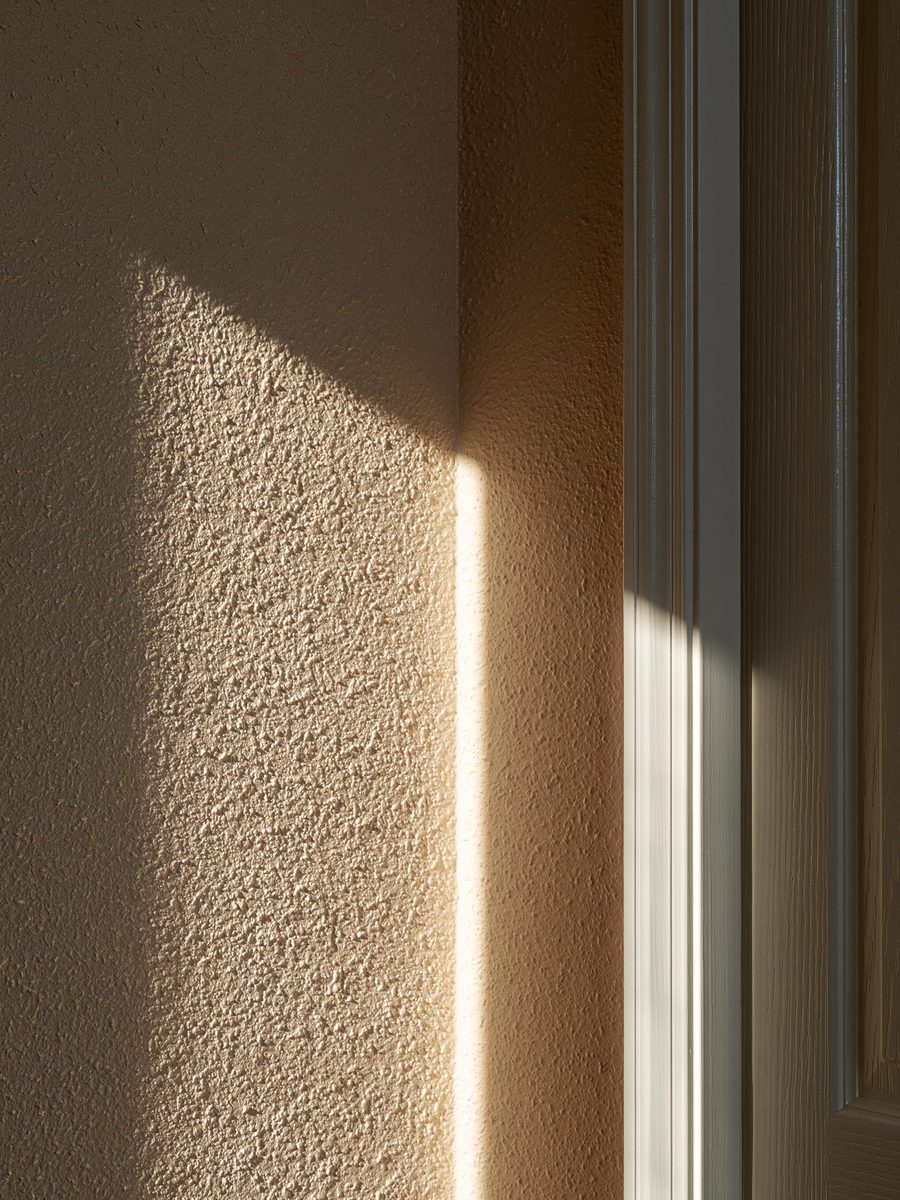
Texture is not decoration. It is a light trap. Every bump on your wall casts a small shadow, and the direction and depth of those shadows is what your eye reads as an even surface. Put a smooth patch in the middle of it and you have not made a flat spot. You have made a hole in the shadows.

Which is why it looks worse at some times of day

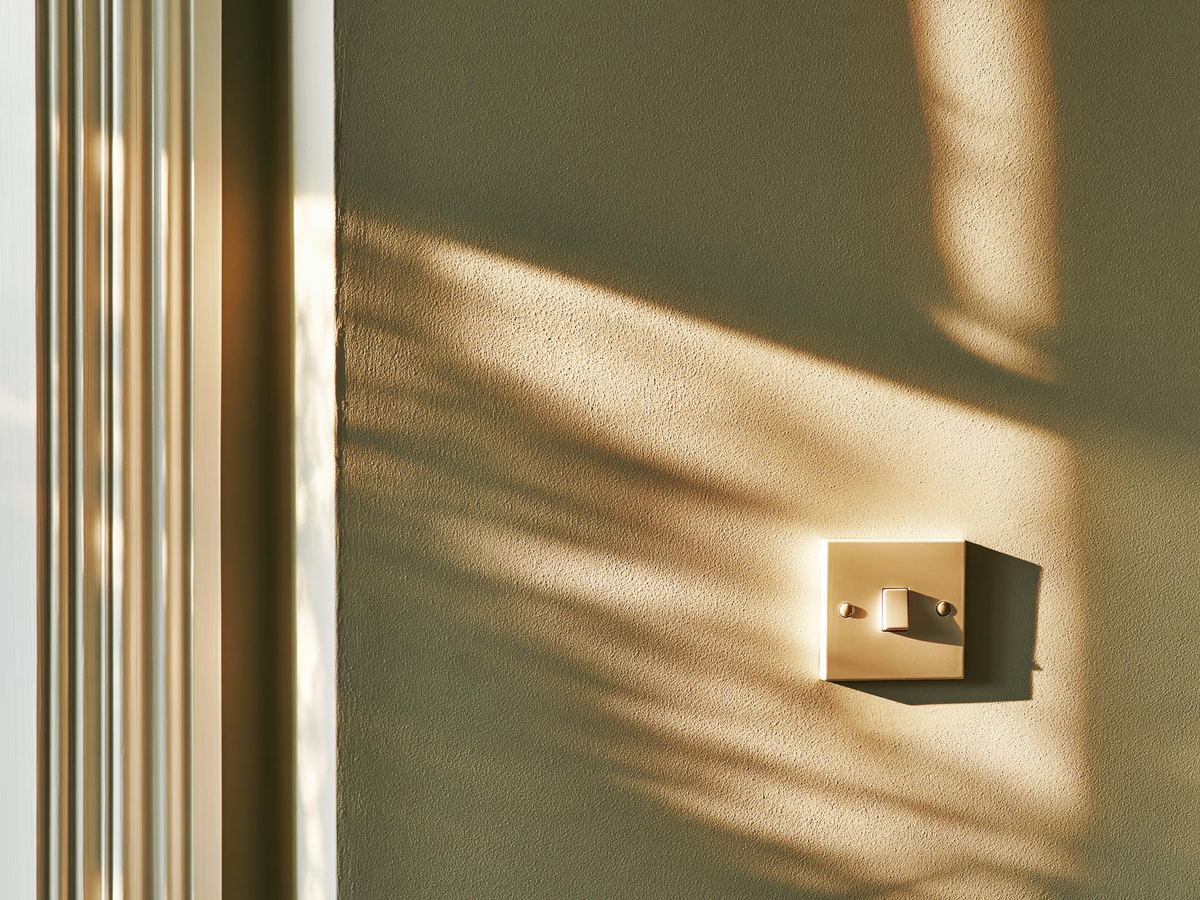
Straight-on light hides almost everything. Light coming across a wall at a low angle, through a window in the late afternoon or from a lamp near the surface, rakes along it and drags every edge into view. The same patch is invisible at noon and obvious at five. If yours only bothers you at certain times, that is not your imagination and it does not mean somebody did bad work. It means the texture is not carrying the light the same way.

The halo nobody warns you about

The other giveaway is a soft ring around the repair, wider than the damage ever was. That is the feathered edge of the compound, where new material thins out onto old wall. Done well it is invisible. Done in a hurry, or sanded flat instead of feathered wide, it leaves a shallow dish that catches light along its rim and outlines the whole repair for you.

The Finishes We Match Most in Colorado Springs Houses Like Yours

Orange peel, sprayed and left alone, the most common wall finish in houses built from the nineties on
Knockdown, sprayed and then flattened with a blade while it is still wet, which is why timing decides the look
Skip trowel, laid on by hand with a curved blade, leaving flat islands with clear edges
Hand and swirl finishes, common in houses from the forties through the sixties and no two of them alike
Level 5 smooth, which sounds like the easy one and is the least forgiving surface in the building
Ceiling finishes, which are their own problem because the light crosses them above you all day long

How a Match Is Actually Made

Nobody matches a texture from a photograph, and anyone who quotes yours from one is quoting the hole rather than the finish.

Close view of orange peel texture with low light raking across it

It is done wet, on site, against your wall. Your pattern gets read first: how coarse the particles are, how far apart they sit, how proud they stand off the surface. Then one more question, which is whether the wall was knocked down after spraying or left as it landed. Then it gets mixed to a consistency that matches, because a compound thinned slightly differently lands as a different texture out of the same gun.

Sample boards, and why they save you a room

The pattern gets tried on a scrap board held up against your wall, adjusted, and tried again. Two or three goes is normal, and it is the cheapest part of the day. Getting it wrong on the wall costs you a wall. Getting it wrong on a scrap costs a minute.

Then the part everyone forgets, which is paint

A texture match that ignores sheen is only half a repair. Bare compound is thirsty, and paint that goes straight onto it sinks in and dries flatter than the paint beside it. The fix is ordinary and it is not optional: the repair gets sealed first so it takes paint at the same rate as the wall around it. This is why "we blend the texture" and "you will not see it" are two different promises, and only the second one is what you are actually buying.

What Decides Your Price

Texture work is priced by what it takes to make your repair disappear, not by the size of the patch, and the two are frequently unrelated. A dinner-plate hole in a flat hallway can be quick. The same hole beside a window in a hand-finished room from the fifties is a different afternoon entirely.

This page does not carry a range, because a range for texture would be a range for guessing. You get your own figure once somebody has stood in front of the finish and seen what it is.

What Colorado Springs Walls Actually Have On Them

Houses here were finished in waves, and each wave left a different surface behind it. Knowing roughly when yours went up tells you most of what your repair is up against.

  • Before about 1940 · Plaster, worked by hand, with a surface no spray gun ever made
  • The forties through the sixties · Hand and swirl finishes applied with a trowel or a brush, individual to the crew that did them
  • The seventies and eighties · Sprayed finishes everywhere, applied fast and consistently, and the easiest era to match
  • The nineties onward · Orange peel and knockdown as the standard, which is what most Colorado Springs repairs are matched to
  • New build and high-end remodels · Level 5 smooth, beautiful in the right light and merciless about a bad patch

The older it is, the more it is worth saving

There is a temptation, on a hand-finished wall, to skim the whole thing flat and start again. Sometimes that is genuinely the right answer. More often it throws away a surface that cannot be bought, in a house where that surface is part of why you liked the room. A hand finish can be matched by hand. It takes longer and it is worth asking about before anybody reaches for a wider tool.

And if you are about to repaint anyway

Say so when you call, because it changes the advice. If a whole wall is getting painted, a repair has an easier job: it only has to match texture, not texture and fifteen years of sunlight. If only the patch is being touched in, it has to match both, and that is the harder of the two by some distance.

Texture Questions We Get Asked Most

How do you match existing drywall texture?

By reading it wet and testing it off the wall. Somebody reads how coarse your pattern is, how far apart the particles sit and how far they stand off the surface. Then they mix to suit and try it on a scrap board held against your wall. Adjust, try again, and only go near the repair when the scrap looks like the wall. It is not a product you buy off a shelf and it cannot be done from a photograph.

How do you match knockdown texture?

Knockdown is sprayed and then flattened with a blade while it is still wet, so the whole look depends on how long you wait before you flatten it. Too soon and the pattern smears. Too late and the peaks stay sharp and your repair reads coarser than the wall. That timing is the skill, and it is why knockdown is the finish most often matched badly by somebody in a hurry.

Can I match wall texture myself with a spray can?

You can get close on a small repair in a low-light spot, and plenty of people do. Two things catch homeowners out, and they catch contractors too. The can gives you one particle size whether it suits your wall or not, and nothing in the kit deals with sheen. If your patch is somewhere you look at every day, it is worth the visit.

Should my ceiling texture match my walls?

It usually does not, and it is not supposed to. Ceilings and walls in your house were very often finished differently in the same year, and the two surfaces take light so differently that matching them can look worse than leaving them alone. What matters is that a ceiling repair matches the rest of that ceiling.

Will you match the paint too?

We blend the finish and seal it so it takes paint evenly, which is the part that decides whether you can see the repair. Whether the final coat is yours or your painter's, that seal is what stops it flashing back through. If you have your original paint, keep it, and tell us at the estimate.

Why did my last repair look fine and then start showing?

Almost always sheen rather than texture. Fresh compound that went unsealed absorbs paint faster than the wall around it, so your patch dried slightly flatter than everything beside it. Then the room gets used and cleaned, and that small difference gets easier to see rather than harder. The texture was probably right. The preparation underneath the paint was not.

What to Sort Out at the Same Time

Drywall Patching

The repair itself, finished in a single visit, before anybody talks about the finish over it.

Small repairs, finished in a single visit →

Drywall Repair

Larger work on a wall you already have, where matching is the last step rather than the whole job.

What your drywall crack is telling you →

Popcorn Ceiling Removal

The sprayed ceilings people ask us about, which are their own job with their own rules.

Testing, scraping, and what it costs →

Ceiling Repair

Overhead, where the light crosses all day and a finish has nowhere to hide.

What a ceiling crack usually means →

Manitou Springs

The oldest surfaces in El Paso County, worked by hand long before anybody owned a spray gun.

Plaster, lath, and getting materials to the door →

Black Forest

Newer finishes on acreage, where a great many houses have gone up inside the last dozen years.

Newer framing, and what it settles into →
Finished wall with an even texture and no visible repair

Get Your FREE Estimate

A photo taken from the side, with the light running along the wall, tells us more than one taken straight on.

A repair you can't spot, even in afternoon light.

Call Us Now! 719-259-3834