
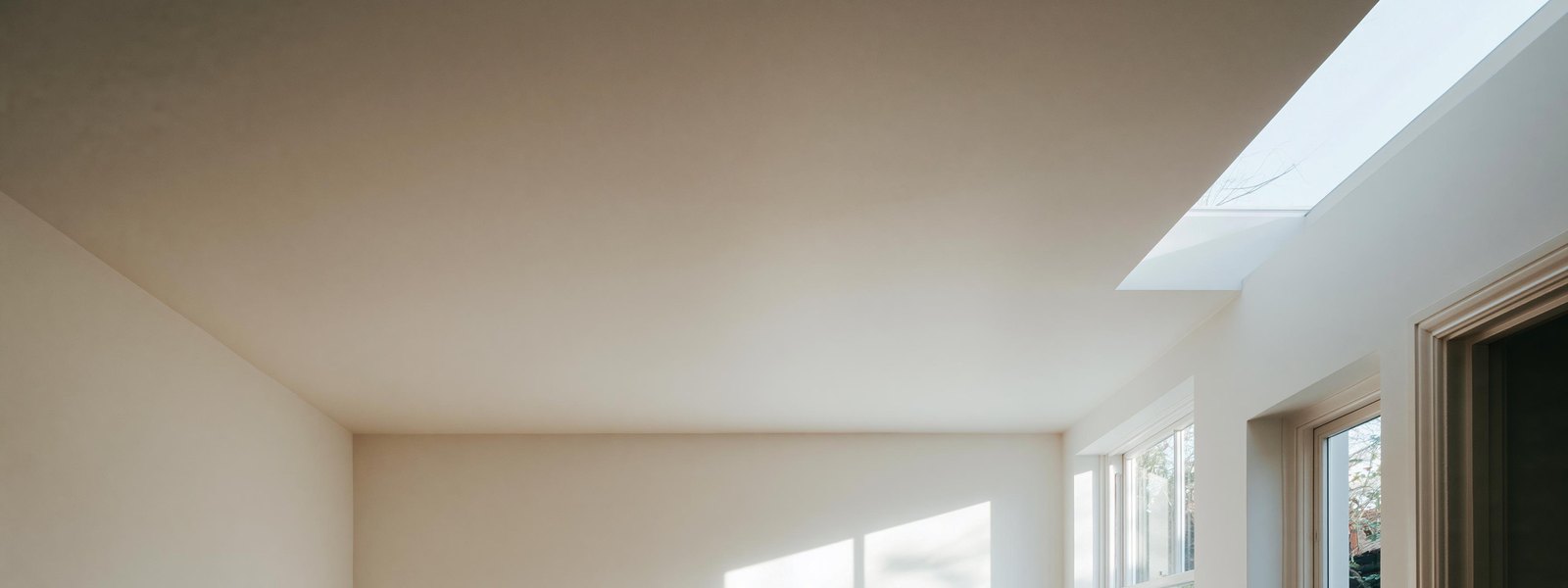
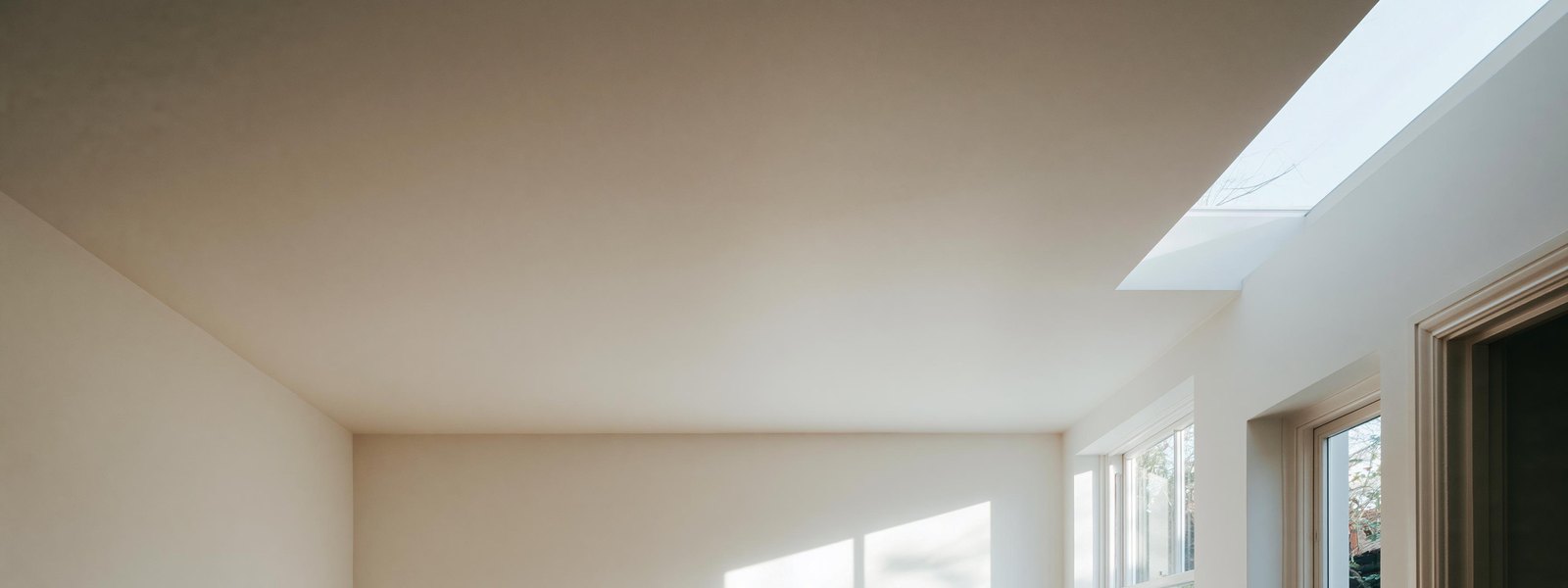
Smooth finished ceiling in a Colorado Springs home

Popcorn Ceiling Removal in Colorado Springs, CO

Smooth ceilings, done in a sealed room, with the one question that matters answered before anybody picks up a scraper.

Empty room seen from below with a flat white ceiling

Test First. Everything Else Comes After That.

Popcorn ceilings are one of the few jobs in a house where the order genuinely matters, and Colorado Springs Expert Drywall will not quote you a scrape until yours has been tested. That is not caution for its own sake. In Colorado it is the law for most rooms, and the reason is worth two minutes of your time.

Here is the reassuring part first. An asbestos ceiling sitting quietly overhead is not doing you any harm. Undisturbed, bound into the material, it stays where it is. What changes the picture is somebody putting a scraper into it, which is exactly why the testing comes before the work rather than after somebody has already made dust of it.

So popcorn ceiling removal in Colorado Springs starts with a sample and a laboratory, and takes about a week to come back. If it comes back clean, you have a straightforward job and a smooth ceiling. If it does not, you have a different job with different rules, and you will know that before you have spent anything on the wrong plan.


The 32 Square Foot Rule, and Why It Catches Almost Every Room

This is the part most people have never been told, and if you own a sprayed ceiling anywhere in Colorado it is the single most useful thing on this page.

Colorado does not leave asbestos to your judgment, or to ours. CDPHE Regulation No. 8 sets a hard trigger for a single-family home: disturbing more than 32 square feet of surfacing material. Above that line the job legally requires four things: a certified inspection, samples analyzed by an accredited laboratory, a state-licensed abatement contractor, and ten working days of advance notice to the state. Those four apply to your spare bedroom exactly as they apply to a commercial job.

Now look up at your ceiling

Thirty-two square feet is a square about five and a half feet on a side. A small nine by ten bedroom ceiling is ninety square feet. A living room is several times that.

So in practice, if your ceiling tests positive, almost any whole room you were thinking of doing lands over the trigger. That is not a technicality somebody might overlook. It is the difference between a scrape and a regulated abatement, and it changes the price, the timeline and who is legally allowed to hold the scraper.

What that means for you in plain terms

A clean test means a normal job. A positive test means the work goes to a licensed abatement contractor, the state gets its notice, and the ten working days start counting. Nobody enjoys that answer, but you get it before you have committed to anything, and you get it from somebody with no reason to talk you into the bigger version.

What We Check Before Anyone Quotes Your Ceiling

Roughly when your house was built, which narrows the odds without settling them
Whether the ceiling has ever been painted over, which changes how it comes off
How many square feet you are actually thinking of doing, room by room
Whether the ceiling is flat or vaulted, because height changes everything
What is going back up there afterward, since a smooth finish and a light stipple are different jobs
Whether anything up there has been patched before, which sometimes shows up in a sample

The Mess, and How Much of It Reaches Your House

The second question everybody asks is how bad it gets, and it is a fair one. Scraping a ceiling is genuinely the messiest thing we do. The difference between a bad experience and an ordinary one is entirely in the preparation.

Flat finished ceiling meeting the wall line, seen from below

A room gets sealed before anything starts: plastic on the walls and floor, the doorway closed off, vents covered so nothing travels through the ducts into the rest of the house. The scraping happens inside that sealed room, and the debris comes out with us rather than settling into your carpet three rooms away.

Wet scraping, and why it matters to you

A dry scrape sends your ceiling into the air. Damping the surface first drops most of it straight onto the sheeting instead, which is better for your house and better for everybody in it. It is slower, and it is why a careful job takes longer than the videos suggest.

What you should move, and what you should not bother with

Small and breakable is worth taking out. Furniture too big to move gets covered and stays put. You do not need to strip the room, and you do not need to be out of the house, though most people find the day easier somewhere else if the room is central.

What Decides Your Price

Popcorn removal is priced by the square foot, and the biggest single factor is what happens after the scrape. Taking a ceiling back to a finished, ready-to-paint surface runs $3 to $7 per square foot. A typical room lands around $600 to $2,000 finished, and a scrape on its own runs about half that, because the finishing is most of the work.

Testing sits outside all of it. A certified inspection runs $350 to $500. A mail-in kit is $40 to $80 and is fine for your own peace of mind, but it does not satisfy Colorado for a regulated job. If the result is positive, licensed abatement runs $7 to $12 per square foot, more where access is awkward.

What You Get Back at the End

The reason you would do this is almost never the ceiling on its own. It is the room. A sprayed ceiling absorbs light and casts small shadows across itself all day. A flat one hands the light back to you. Rooms read larger and brighter afterward than anybody expects from a job that only touched the top surface.

It is also one of the few jobs buyers notice

Sprayed ceilings read as dated to most people walking through a house, whatever the rest of it looks like. Taking them out is one of the cheaper things that changes how a whole floor of your house feels. It is why so many of these get booked just before a sale, or just after a purchase.

Worth having ready when you call

  • Roughly when the house was built
  • Which rooms you are thinking about, and their rough sizes
  • Whether the ceilings have been painted since they went up
  • Whether any of them are vaulted or over a stairwell
  • Whether you have had a test done already, and if so what it said
  • Whether you are working to a date, such as a move or a sale

Nothing on that list is required. Any of it makes the first conversation shorter and the price firmer.

What People Want to Know Before Booking a Scrape

What does popcorn ceiling removal cost in Colorado Springs?

Taken back to a finished, ready-to-paint ceiling, $3 to $7 per square foot, which puts a typical room of yours around $600 to $2,000. A scrape on its own without the finishing runs about half that. Your testing is separate at $350 to $500 for a certified inspection. If the result comes back positive, licensed abatement is $7 to $12 per square foot.

What year did popcorn ceilings stop having asbestos?

No year settles it, and anybody who gives you a clean cutoff date is guessing. Production was restricted long before the material stopped appearing in houses, because existing stock kept being installed for years afterward. The age of your house narrows the odds and it does not answer the question. A test answers it, and Colorado's rule does not ask how old your house is.

Does a popcorn ceiling scrape need a permit?

Not a building permit for the scrape itself, since it is finish work rather than anything structural. What Colorado does require is different. Once you are disturbing more than 32 square feet of surfacing material that has tested positive, you need a certified inspection, a licensed abatement contractor and ten working days of notice to the state. That is a different requirement from a permit and it catches almost any whole room.

Is popcorn ceiling removal messy?

Yes, and pretending otherwise would not help you. It is the messiest job we do. What keeps it manageable is sealing the room properly before anything starts, damping the surface so the debris falls rather than flies, and taking the waste out with us. Done that way it stays in one room instead of finding its way around your house.

Can I scrape my own popcorn ceiling?

Physically, yes, on a small area that has tested clean. Two things stop most people. The first is that in Colorado an untested ceiling over 32 square feet is not yours to start scraping. The second is that the scrape is the easy half. What you are left with is a rough surface that shows every flaw once the light crosses it, and getting it flat is the part that takes practice.

Will removing it make my rooms brighter?

Usually, and more than you would expect. A sprayed ceiling holds onto light and throws small shadows across itself. A flat one reflects it back into your room. Most people tell us afterward that the room feels larger, which is a strange thing to get from a job that never touched a wall.

Related Work on Your Ceilings

Ceiling Repair

When the ceiling has something to say before anybody smooths it.

What a ceiling crack usually means →

Texture Matching

What goes back on afterward, if you would rather not have a flat ceiling.

How a finish is made to disappear →

Drywall Repair

Walls that want attention while the room is already sealed and empty.

What your drywall crack is telling you →

Basement Drywall

Downstairs ceilings, which are their own job for reasons that have nothing to do with height.

Why basement walls are framed to move →

Security-Widefield

Thousands of near-identical houses from the fifties, and ceilings that answer alike.

One decade of housing, one familiar ceiling →

Falcon

Newer subdivisions east of town, where the odds run the other way.

Newer housing, and what that changes →
Bright room with a smooth ceiling and clean corners

Get Your FREE Estimate

Tell us roughly when the house was built and which rooms you are thinking about. That is enough to start.

Smooth ceilings, tested first, and your house left clean.

Call Us Now! 719-259-3834